“Apartheid” is a word that comes from Afrikaans, meaning “separation”. It was first used to describe a system in South Africa (1948–1994) where laws, institutions, and everyday life were designed to give one group (white people) more rights, land, and freedom than another group (Black South Africans).
Today, the term is also used in international law to describe any system where:
- One group is systematically given more rights than another,
- The difference is based on identity (ethnicity, race, nationality, etc.), and
- Laws, policing, and government systems are used to maintain this inequality.
So apartheid is not just prejudice, it is a structured, political system that creates and enforces unequal rights.
What does international law say?
The Rome Statute of the International Criminal Court (2002) defines apartheid as:
“Inhumane acts committed in the context of an institutionalized regime of systematic oppression and domination by one racial group over another, with the intent to maintain that regime.”
In simpler words: Apartheid is a governing system that intentionally keeps one group in power and limits another group’s rights.
How does this relate to Palestine?
Multiple major human rights organisations, including Human Rights Watch, Amnesty International, B’Tselem (Israeli), and Al-Haq (Palestinian), have concluded that Israel operates a system of apartheid. The reasons being:
- Different legal systems for different people in the same land
- Jewish Israelis in the West Bank live under civil law (full rights).
- Palestinians in the same area live under military law (restricted rights).
- Control over movement
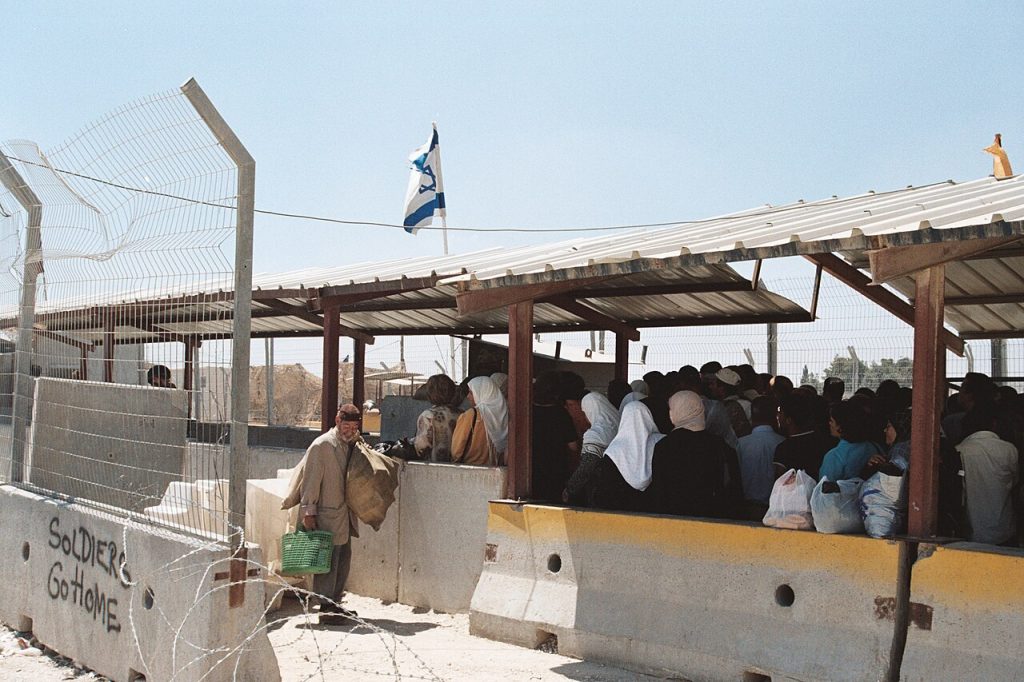
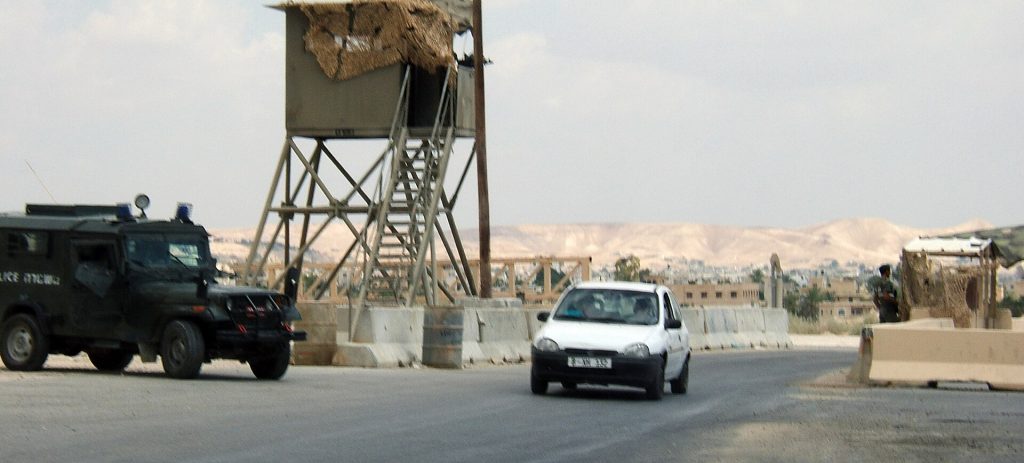
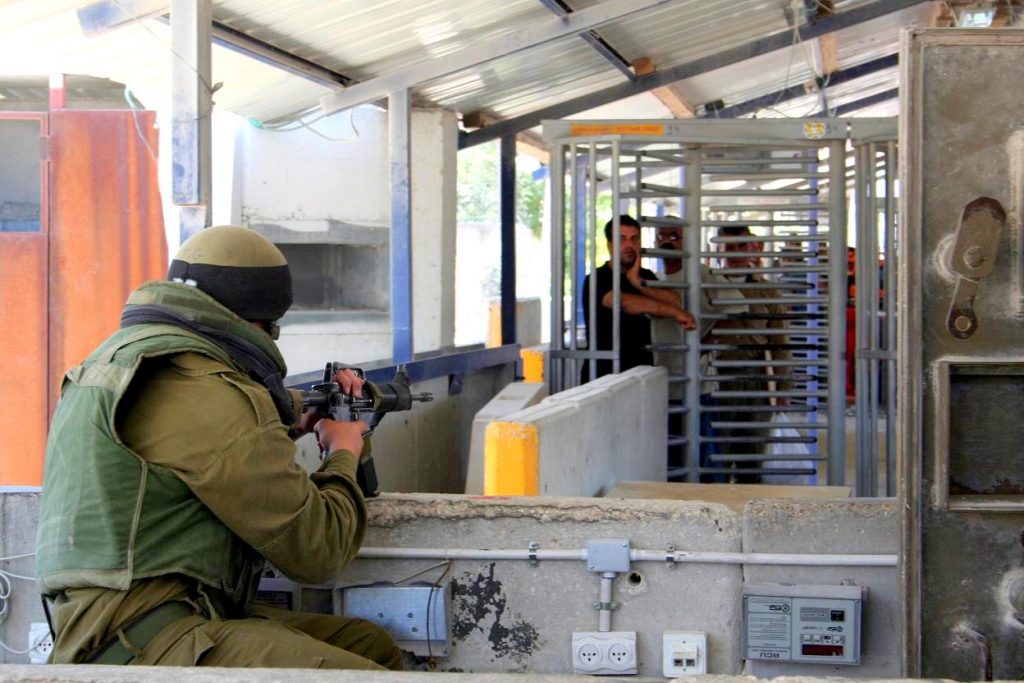
- Checkpoints, the separation wall, restricted roads, and permits determine where Palestinians may travel.
- Land and housing inequality
- Israeli settlements (illegal under international law) continue to expand on occupied Palestinian land.
- Palestinian homes are restricted, denied permits, or demolished.
- Different political rights
- Palestinians in the West Bank and Gaza cannot vote for the government that ultimately controls their lives.
- Blockade on Gaza
- Gaza’s borders, airspace, and sea access are strictly controlled, limiting essential goods, travel, and economic life.
These systems create two separate sets of rights for two different groups of people living in the same region.