Palestine has a long and rich history, shaped by many cultures, communities, and traditions. For generations, Palestinian people have lived, worked, and cared for this land, forming deep cultural and family ties to it. In more recent history, the region has also been shaped by colonisation, displacement, and unequal systems of control. Understanding how these systems developed is essential to understanding the present. The timeline below offers a clear, step-by-step overview of key events that have shaped Palestinian life, identity, and the ongoing struggle for freedom and dignity.
1890s (Political Zionism)
1915–1916 (McMahon–Hussein Correspondence)
1916–1918 (Arab Revolt)
1916 (Sykes–Picot Agreement)
1917 (Balfour Declaration)
1920 (British Mandate)
1933 (Haavara ‘Transfer’ Agreement)
1946 (King David Hotel Bombing)
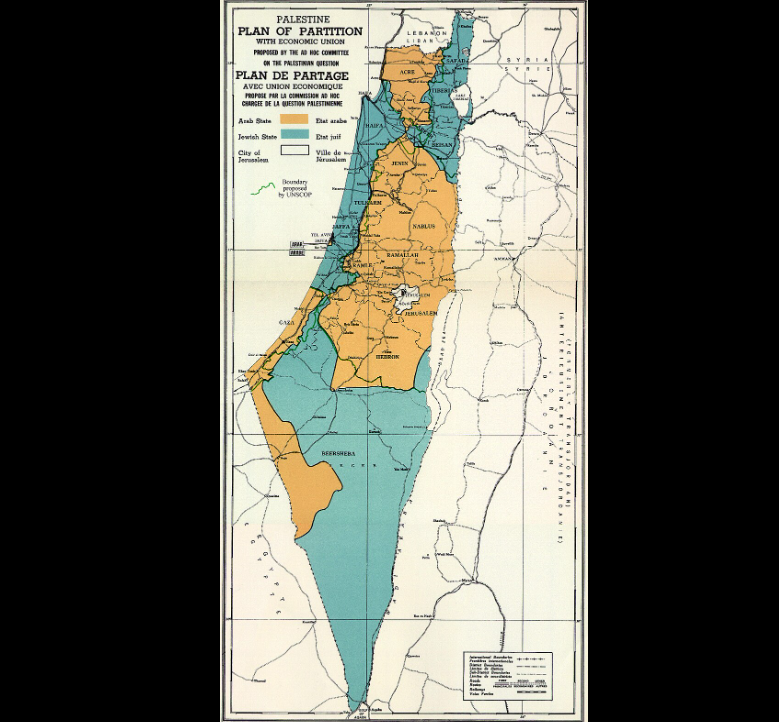
1947 (The UN Partition Plan)
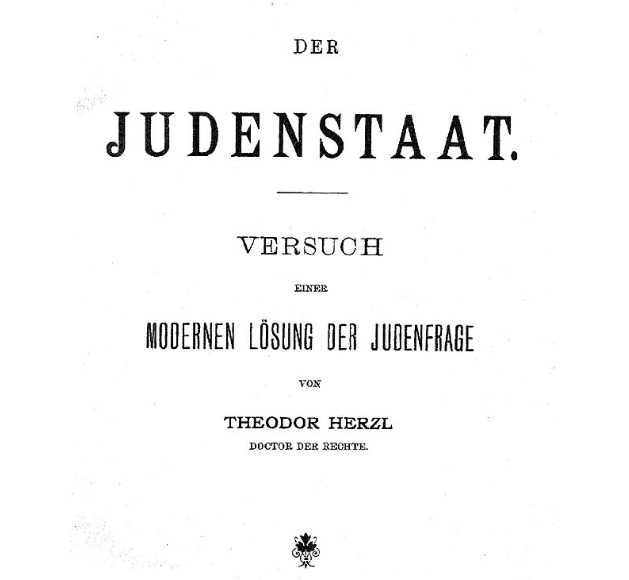
1890s (Political Zionism)
In Europe, Theodor Herzl and others develop political Zionism, a movement seeking the establishment of a Jewish homeland in Palestine. The First Zionist Congress in 1897 formally adopts this goal.
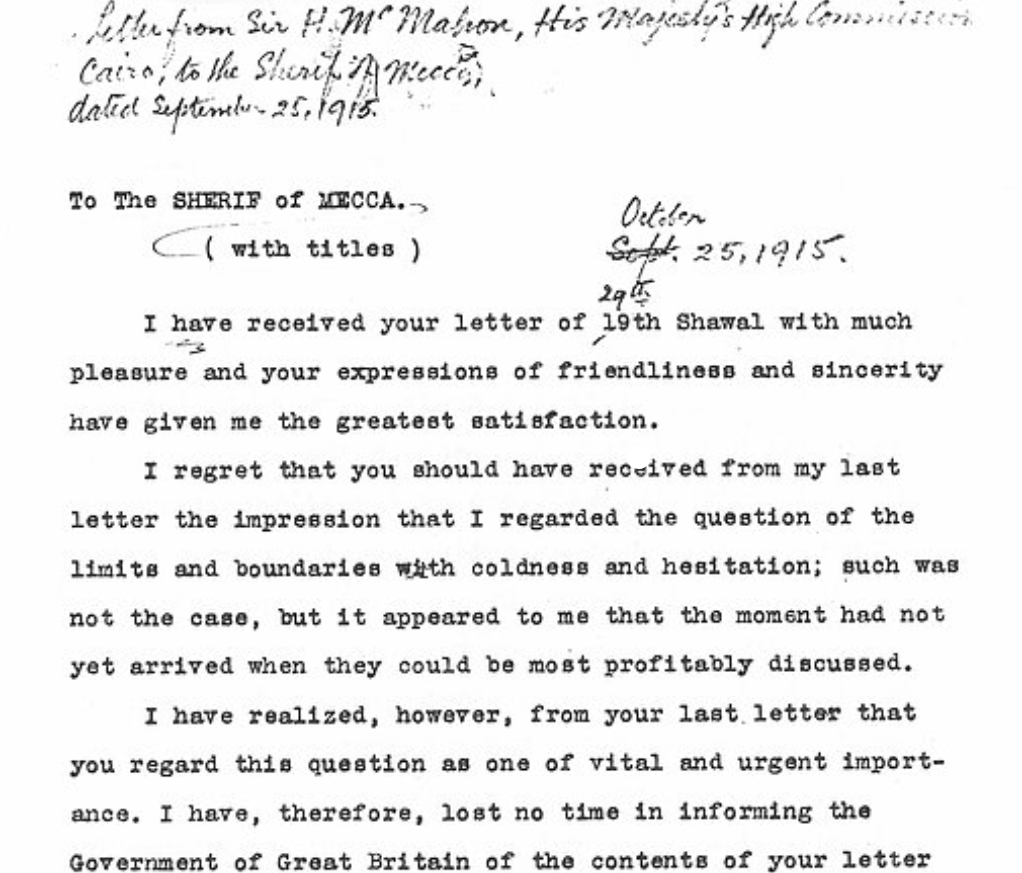
1915–1916 (McMahon–Hussein Correspondence)
A series of letters between Sir Henry McMahon (British High Commissioner in Egypt) and Sharif Hussein of Mecca. Britain implied support for an independent Arab state (including Palestine – was later disputed) in exchange for an Arab revolt against the Ottoman Empire during WWI.
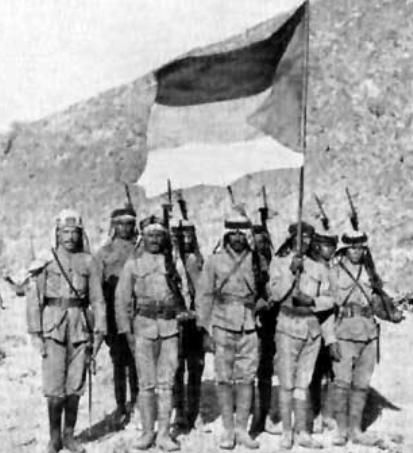
1916–1918 (Arab Revolt)
Many Arabs, including Palestinians, fought alongside the Allies in WWI, believing they had been promised independence from Ottoman rule. After the war, instead of independence, Britain and France (see Sykes–Picot agreement) divided the region, placing Palestine under British control.
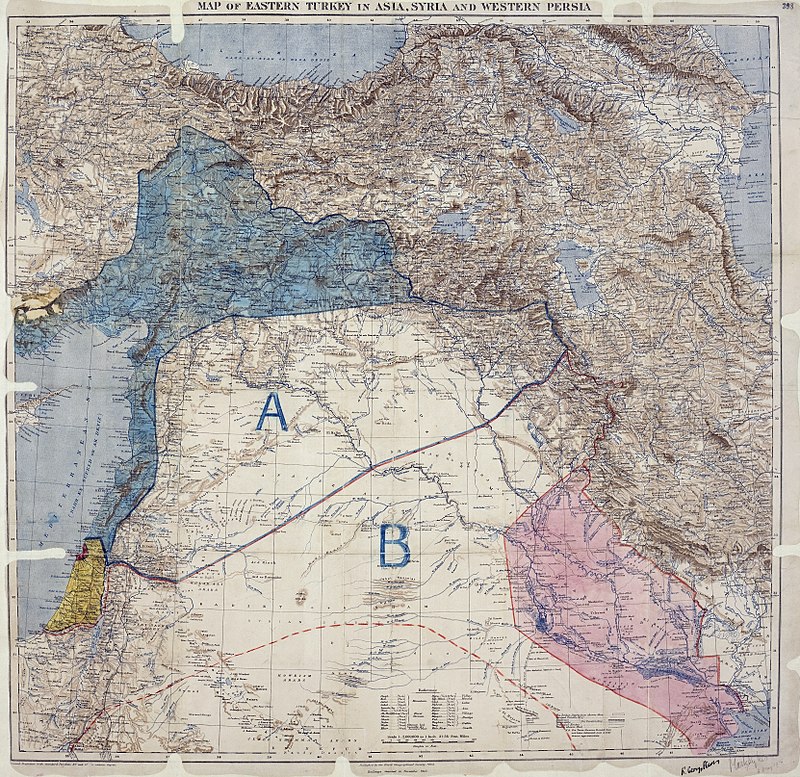
1916 (Sykes–Picot Agreement)
A secret agreement between Britain and France planning to divide the Middle East into spheres of colonial control after WWI. It contradicted promises of Arab independence made in the McMahon–Hussein Correspondence.
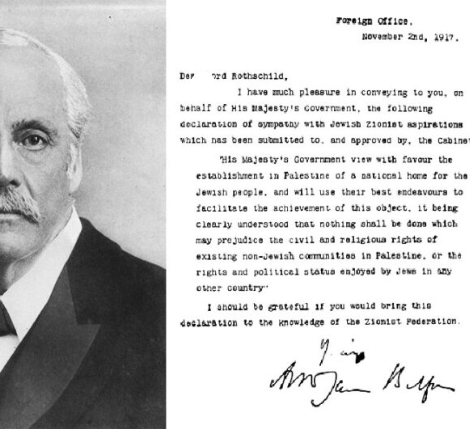
1917 (Balfour Declaration)
Britain’s promise to support a Jewish homeland in Palestine, despite the fact that Palestine was already inhabited by a majority Palestinian Arab population, who were not asked or given a say.
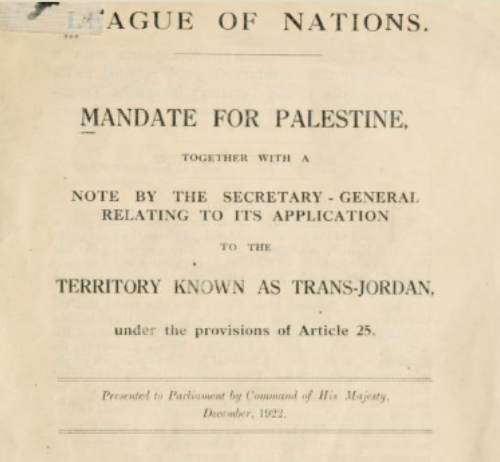
1920 (British Mandate)
Following WWI, Palestine was placed under British colonial rule. Britain now controlled immigration, land, and political power in Palestine.
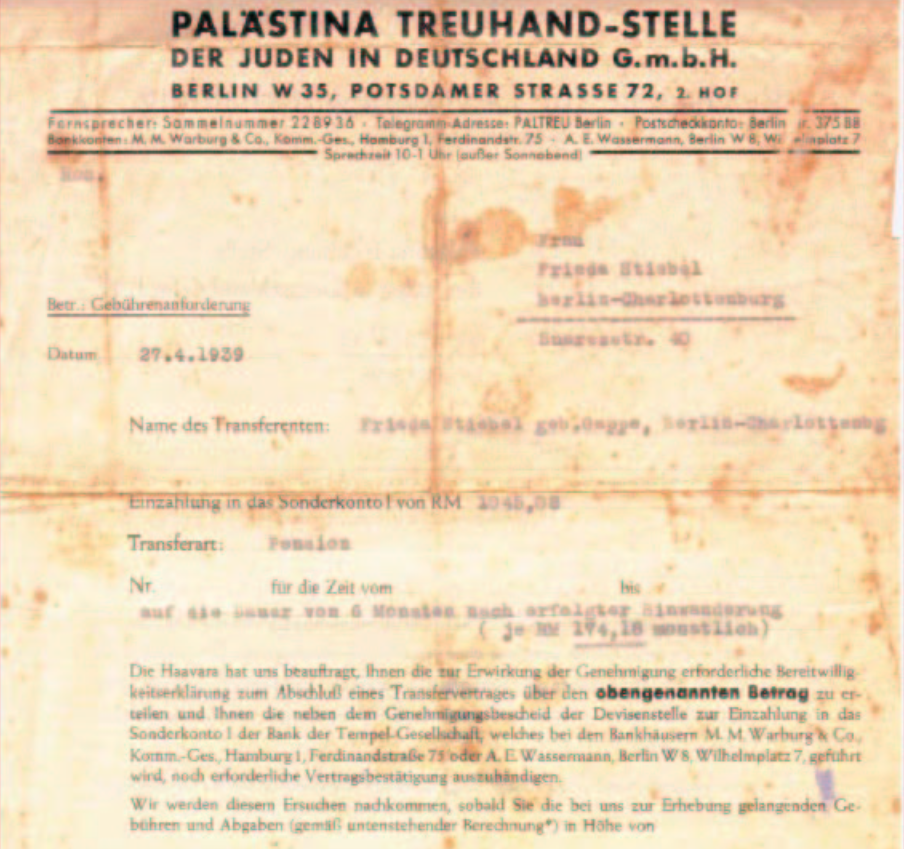
1933 (Haavara ‘Transfer’ Agreement)
A deal between the Nazi government and Zionist leadership that migrated 50,000 German Jews to Palestine by transferring assets through German export goods. It bypassed the global Jewish-led call to boycott Nazi Germany.
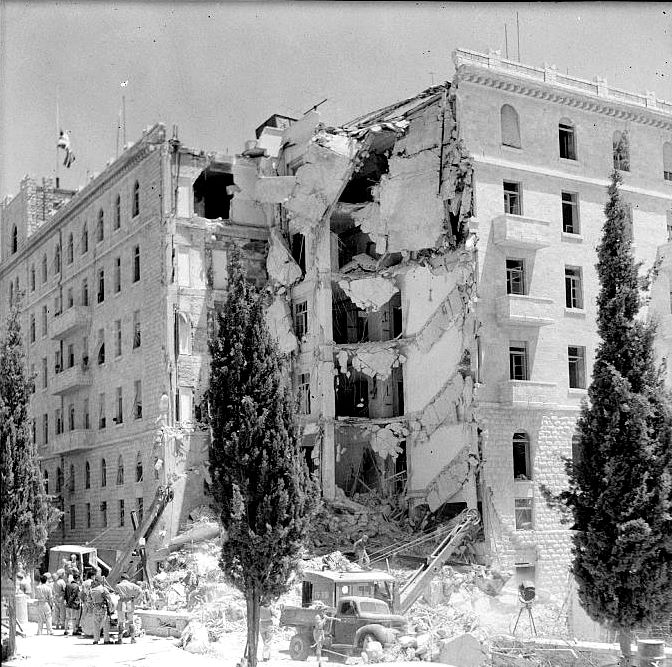
1946 (King David Hotel Bombing)
The Zionist paramilitary group, Irgun, bombed the British administrative headquarters in Jerusalem, killing 91 people, including Palestinians, British and Jews. This attack was part of the campaign to force Britain out of Palestine, ending British mandated control of the reign, before 1948.
1947 (The UN Partition Plan)
After years of tension under British rule, the United Nations suggested dividing Palestine into two states: one Jewish state, and one Arab Palestinian state. Palestinians made up the majority of the population and owned most of the land, but the plan gave more than half of the land to the new Jewish state. Palestinians rejected the plan because it took their land without their consent. Fighting broke out between local Jewish and Palestinian communities.